What is TOC?

The abbreviation TOC stands for Total Organic Carbon and is a measure of the total amount of bound carbon in water. The TOC level indicates how heavily contaminated a body of water is, and the measurement encompasses both dissolved and particulate organic material. In every project, the authorities set specific guideline values for TOC, as high levels can cause oxygen depletion for aquatic organisms.

TOC in water

Carbon-based contaminants occur in many types of water we work with — from dewatering water on construction sites and leachate from landfills to process water from industrial facilities and recycling stations. What these have in common is that high TOC levels always require a tailored treatment strategy.

Many of our water treatment projects in the construction sector are carried out in urban areas and on sites with historical ground contamination, for example from former industrial operations. Contamination levels are often high and can include everything from benzene, polycyclic aromatic hydrocarbons (PAH) and petroleum products to PFAS substances.

When the ground is excavated, these contaminants are released and end up in the dewatering water we treat.

How is particulate TOC treated?

TOC is a measure of both particulate and dissolved organic contaminants. A significant proportion is bound to particles suspended in the water. Swedish Hydro Solutions uses the environmentally friendly flocculant chitosan to efficiently remove a large share of the TOC load early in the treatment process. But first, pH adjustment is almost always required.

Carbon-based contaminants consist largely of organic acids. When the pH of the water is high (alkaline), the molecules become negatively charged — they repel each other, dissolve into the water and become difficult to capture.

At lower pH levels, the charge is neutralised, causing the molecules to stop repelling each other and begin to cluster together. For the flocculation process to work effectively, the water needs to be at a neutral or slightly acidic level before chitosan is added.

On a construction site, a wide range of activities are taking place at any given time. Concrete work and casting continuously raise the pH of the dewatering water. For this reason, pH is one of the parameters we monitor constantly and adjust automatically using carbon dioxide.

How are dissolved organic substances treated?

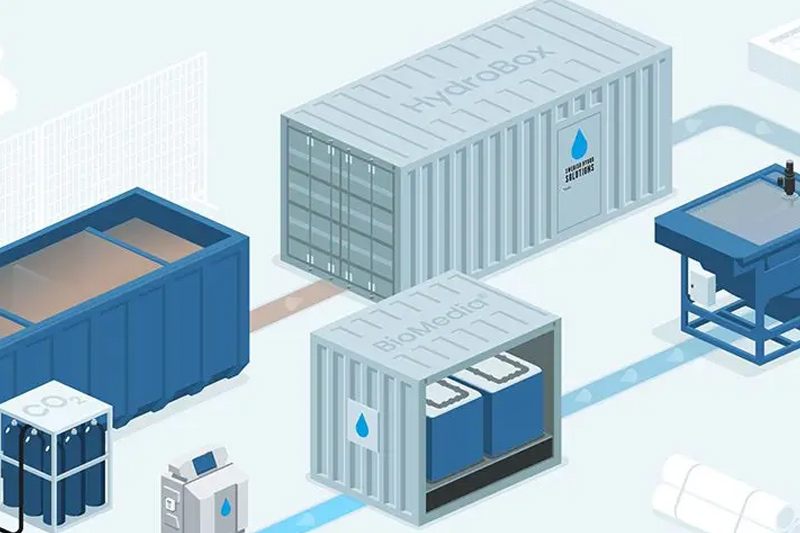
Dissolved carbon-based contaminants are invisible in clear water, and no flocculant can tackle these substances. This is why additional filtration steps are required — using BioMedia® filters or activated carbon.

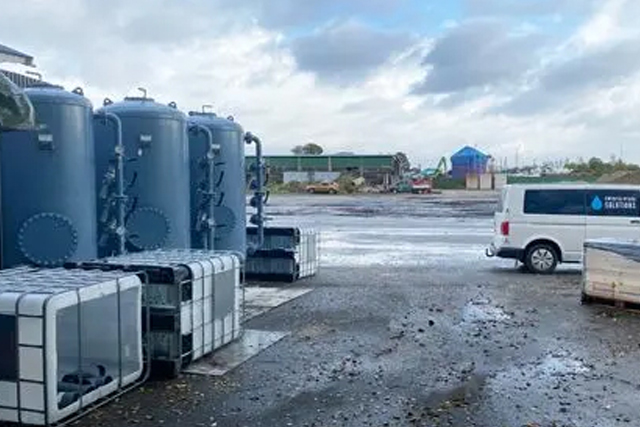
For projects with more demanding chemical challenges — such as landfill leachate, severe PFAS contamination or industrial applications — Swedish Hydro Solutions uses patented FluoroFix® technology (for PFAS) or BioMedia® filters, which are specifically developed for heavier organic compounds, chlorinated solvents, oil-based contaminants and heavy metals. In some cases, we also supplement with pressurised carbon filters to capture the final traces of dissolved organic material.

pH adjustment is equally important when treating dissolved TOC. At incorrect levels, dissolved organic molecules can either pass straight through the filters — or clog them completely within just a few days.

TOC in leachate

Leachate is a chapter of its own within TOC treatment. It differs from construction site water in both composition and complexity — and frequently places the highest demands on the treatment process.

Leachate is among the most challenging water types to treat. When rainwater percolates through a landfill, a recycling facility or across an industrial site, it picks up soluble material from the waste. The characteristics of landfill leachate vary considerably depending on the age of the site.

  • In young landfills, TOC levels are very high, as large amounts of organic material are actively decomposing. As the acidic water passes through the landfill, it also dissolves metals such as zinc, chromium, cadmium and lead.
  • In older landfills, ammonium nitrogen and highly resistant dissolved carbon — known as humic acids — are produced instead.
  • Because landfills contain vast quantities of discarded consumer products — impregnated textiles, furniture and packaging — leachate is one of the largest sources of PFAS contamination in the natural environment.

A similar challenge applies to leachate from recycling stations. When rainwater flows across open hardstanding areas where scrap metal, machinery and electronics are stored, it carries with it oils, PFAS substances and dissolved metals.

Summary

TOC in leachate from landfills or industrial operations is treated in the same way:

  • pH adjustment: Leachate can fluctuate enormously in pH, depending on the composition and age of the landfill. Swedish Hydro Solutions uses automatic monitoring and adjustment of pH throughout the process.
  • Chitosan flocculation: Chitosan causes the particulate organic carbon to clump together and sink to the bottom, where it can be easily separated. Chitosan carries a strong cationic charge that makes it behave in two unique ways compared to conventional flocculants: the resulting flocs are significantly more compact, and they are less prone to breaking apart again. This means less sludge to handle and a lower risk of contaminants slipping through the treatment process.
  • Final polishing: Depending on the water’s composition of PFAS, humic acids and solvents, the water is polished in a subsequent step — typically comprising BioMedia® filters and pressurised filters containing activated carbon, glass or sand, along with an ion exchange stage for PFAS removal where applicable.

More information

Metals, Suspended solids

Stena Recycling

Stena faced high volumes of industrial stormwater after a new retention pond was taken into operation, requiring a robust and reliable treatment setup.

Want to know more?

If you have questions about TOC or need advice on what treatment methods that work best in your project? Our experts can help you!