
Varberg tunnel successfully reduces chromium and zinc levels
The Varberg Tunnel reduced chromium levels by 96% and zinc by 86% using RedOx3 and chitosan flocculation to meet stricter requirements for treating water‑soluble metals.
“Find a solution that can treat water‑soluble chromium.”
That was the challenge that arose during the excavation of the Varberg Tunnel. Through recommendations from colleagues, the project found the solution. The result: a 96 percent reduction in chromium – and an 86 percent reduction in zinc.
One of the last two remaining single‑track sections between Malmö and Gothenburg is the stretch through Varberg. To make room for double tracks, a new three‑kilometer railway tunnel is being constructed beneath the town. Or rather – two tunnels are being excavated: a rail tunnel and a parallel service tunnel. Drilling and blasting are carried out simultaneously in both tunnels and from both ends. In total, there are four excavation fronts.
When the contractor Implenia joined the project, they installed their own water treatment system. It primarily handles suspended solids and adjusts pH but struggles to remove water‑soluble metals.
Seeking a solution for chromium
After the project had been underway for six months, issues arose with chromium leaching from the cement used in the tunnel as a sealant to prevent groundwater lowering. Even though cement producers work to minimize chromium content, it’s impossible to eliminate it entirely. Meanwhile, the maximum allowed chromium levels have been significantly reduced. To treat the drainage water and handle the chromium, the project attempted to solve the problem – easier said than done.
– It was challenging to find a solution for chromium. We explored various options, such as ion exchangers, but it’s difficult to say if they would have worked, says Elina Myrestaf, responsible environmental coordinator at Implenia.
However, Implenia in Varberg received good news from their colleagues in Stockholm working on the Johannelund tunnel project, which has a similar setup to the Varberg Tunnel: There is a company that has developed a solution for chromium issues.
Chromium a thing of the past
This is how Elina Myrestaf got in touch with Swedish Hydro Solutions. The company visited the Varberg project and conducted bench tests on water samples. The result was the installation of a treatment plant comprising RedOx3 technology, chitosan flocculation, and pH adjustment using carbon dioxide. The treatment works by reducing highly water-soluble hexavalent chromium to less water-soluble trivalent chromium with RedOx3.
The trivalent chromium is then precipitated, and the metal is subsequently flocculated by chitosan before being sedimented. After the initial adjustment of the plant, high chromium levels became a thing of the past.
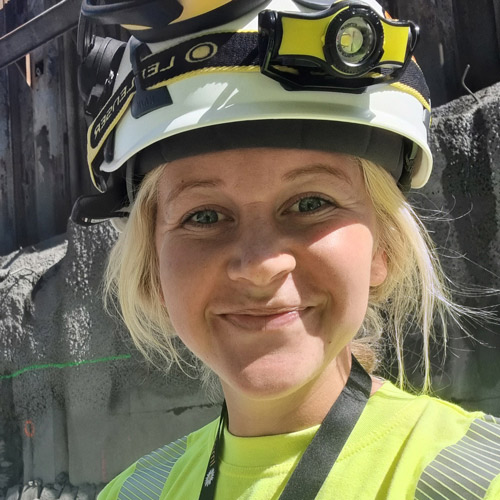
I am very pleased with the treatment. The reduction in chromium is very clear, allowing us to meet the requirements. For instance, we can have incoming total chromium at 24 micrograms per liter and outgoing at 1 microgram. And we have very few issues, despite water treatment being a bit tricky depending on the flow.
— Elina Myrestaf, Environmental Coordinator, Implenia
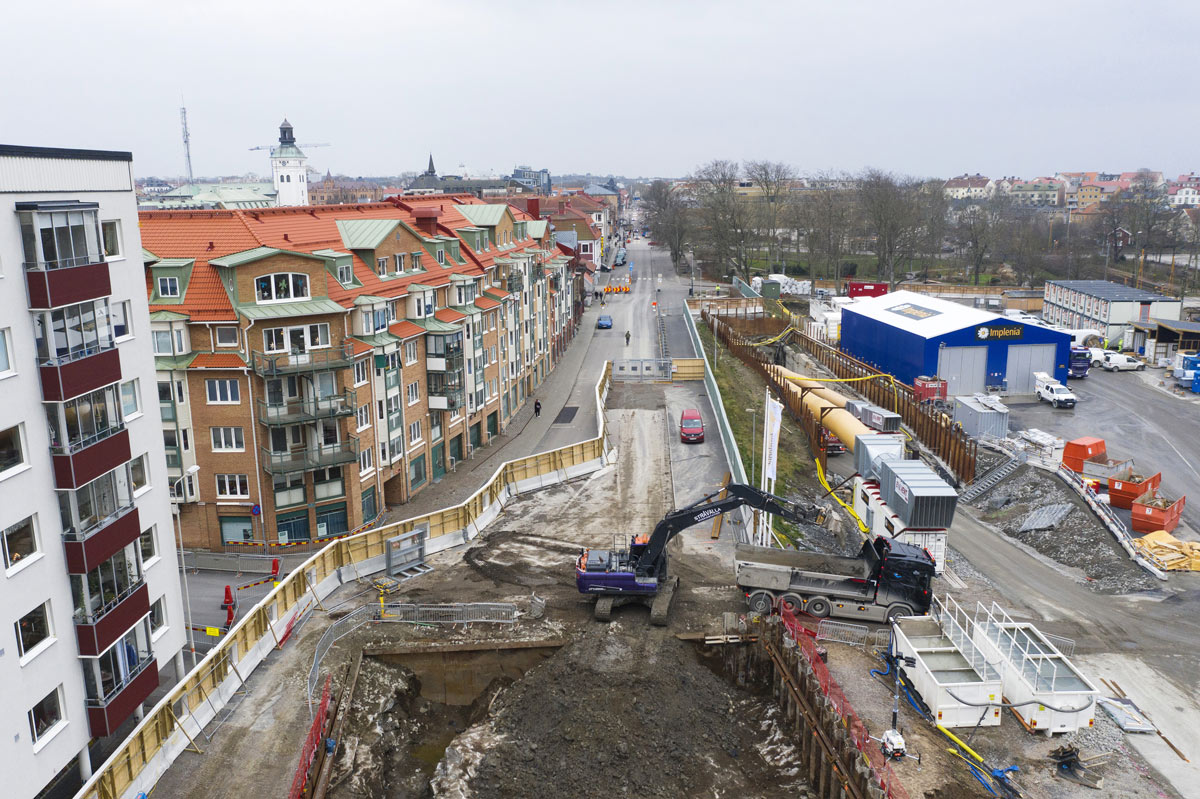
The initial phase of the ‘Varberg Tunnel’ project
Oväntad bonus – renar zink
I Varbergstunneln hade man även tidvis fått problem med att gränsvärdena för zink överskreds. Men trots försök har man inte lyckats identifiera källan. Zink används nämligen inte i projektet, och det finns inte heller i grundvattnet. Men med Swedish Hydro Solutions anläggning fick man en oväntad bonus.
– Vi ser även en tydlig reduktion av zink, från ingående 420 mikrogram per liter till utgående 59. Det är långt under gränsvärdet, säger Elina Myrestaf.
Dessutom är Swedish Hydro Solutions anläggning för kromrening väldigt kompakt, tycker Elina Myrestaf.
– Det tar orimligt liten plats med extrasteget för kromhantering, vilket är väldigt smidigt eftersom sådana här entreprenadprojekt ofta har ont om utrymme.
För att säkerställa reningen har Implenia och Swedish Hydro Solutions kontinuerlig kontakt under hela projektets gång, fram till slutet av år 2023 vid genomsprängningen då tunnelhalvorna kopplas ihop. Enligt plan kommer tågen att börja köra i tunneln i december år 2024.
More projects
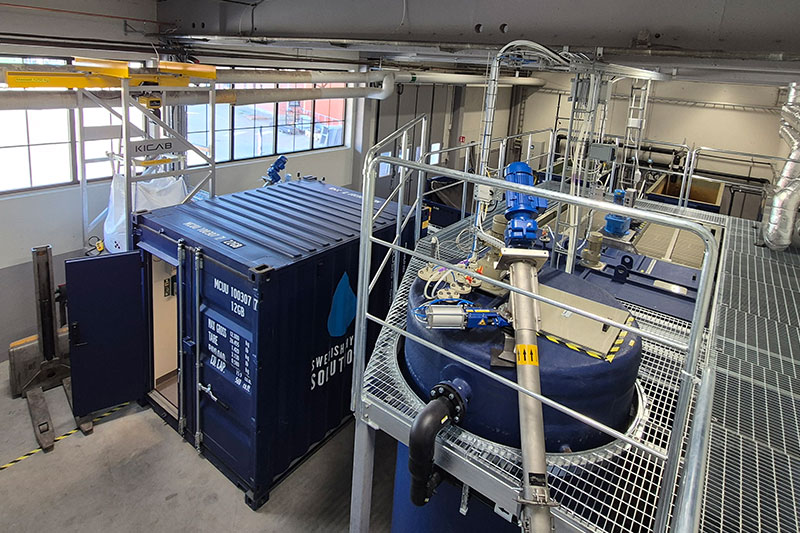
New water treatment plant commissioned at Häfla Bruk
Swedish Hydro Solutions has delivered a water treatment solution at Häfla Bruk’s industrial facility in the municipality of Finspång, Sweden.
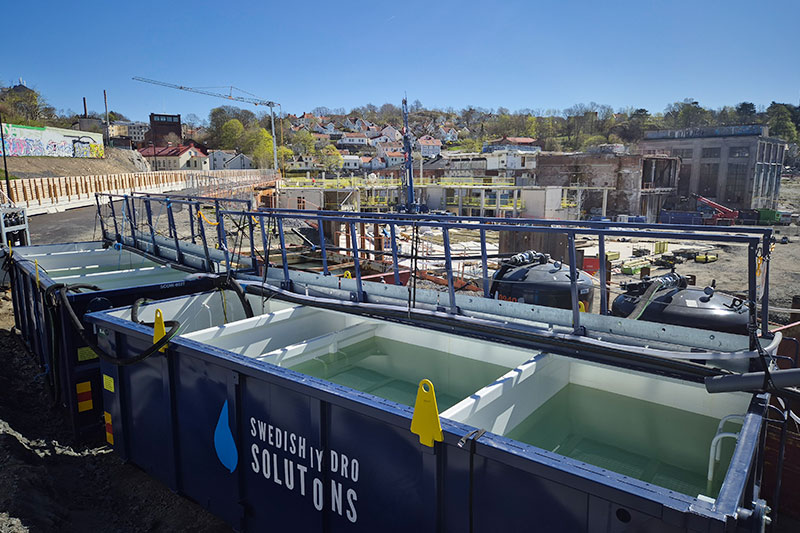
Water treatment established in Forsåker, Sweden
Swedish Hydro Solutions has established a treatment system in Block 39, Forsåker, Sweden, treating dewatering from excavation and concrete works.
New assignment: Miljöfabriken
Swedish Hydro Solutions has been commissioned to deliver water treatment to Miljöfabriken, where stricter requirements are introduced during expansion.
Need more information?
If you’re seeking more insights about our projects implementations or want tailored guidance for your unique requirements, get in touch with our water treatment specialists.