
Elevated pH levels
An elevated pH in water means it is more alkaline (basic) than normal. A measurement above seven on the scale is considered alkaline, seven is neutral, and below seven is acidic. A high pH level may indicate the presence of alkaline contaminants such as hydroxides, carbonates, or certain chemicals used in industrial processes. Adjusting pH is often both a necessary part of water treatment processes and a requirement from regulatory authorities.
How does elevated pH occur?
Many industrial processes use or generate alkaline chemicals that can increase pH levels. Mining operations can also release alkaline minerals into the water. On construction sites, lime cement used for soil stabilization and concrete production commonly raises the pH of runoff water.
What are the risks of elevated pH?
Discharging water with a pH that is too high carries several risks. It can harm aquatic ecosystems by affecting the organisms living there. Many aquatic species are highly sensitive to pH changes, and excessively high levels can be lethal. Some contaminants also become more toxic at higher pH values — for example, ammonia can become more harmful as pH increases.
Elevated pH can also cause damage to infrastructure, leading to corrosion of pipelines, pumps, and other water treatment equipment.
How is pH adjusted?
For pH adjustment in water, Swedish Hydro Solutions uses an automated pH control system placed upstream of our HydroBox. The automated system lowers the pH by dosing CO₂. The desired pH level is programmed into the dosing unit, which automatically regulates the CO₂ addition to achieve the correct pH for the treated water. Beyond meeting discharge requirements, proper pH adjustment is also important for optimizing the flocculation process within the HydroBox. For raising pH, we offer several solutions depending on your specific process needs.
We recommend using carbon dioxide for lowering pH due to its precision, ease of control, and safety. Controlled CO₂ dosing reduces the risk of overshooting the target value and is safer compared with strong acids, which can be corrosive and potentially hazardous.
About our pH‑adjustment equipment
pH Adjustment
The automated pH adjustment system creates optimal conditions for flocculation and precipitation, using CO₂ to safely reach the required pH level.
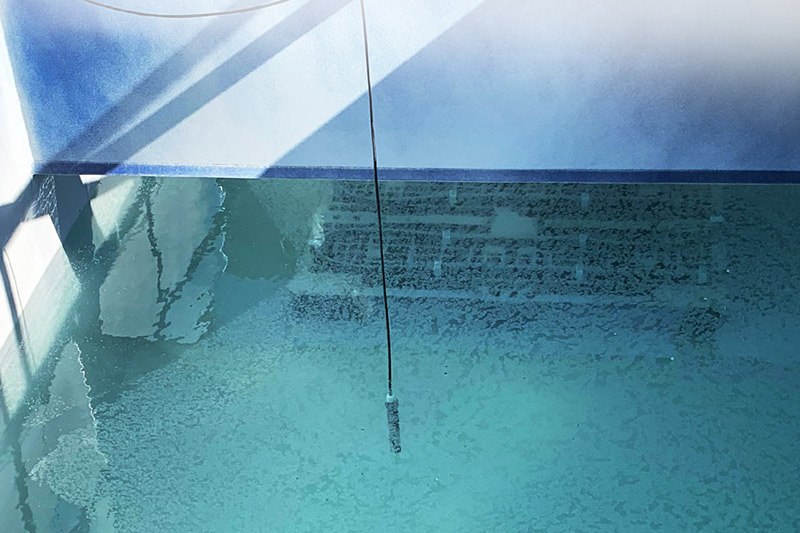
Projects where pH adjustment has been a key focus
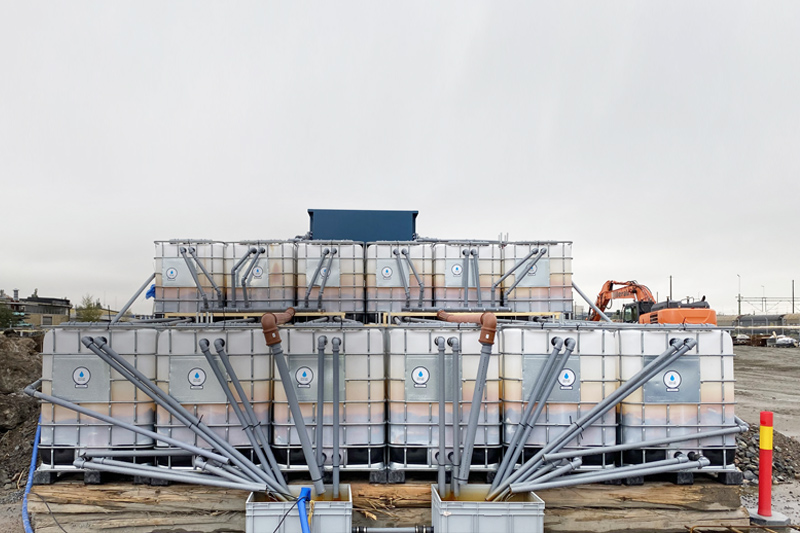
New tram depot at Ringön
Work on a new tram depot in Gothenburg was halted when benzene was detected, but with rapid water treatment support the project soon resumed safely.
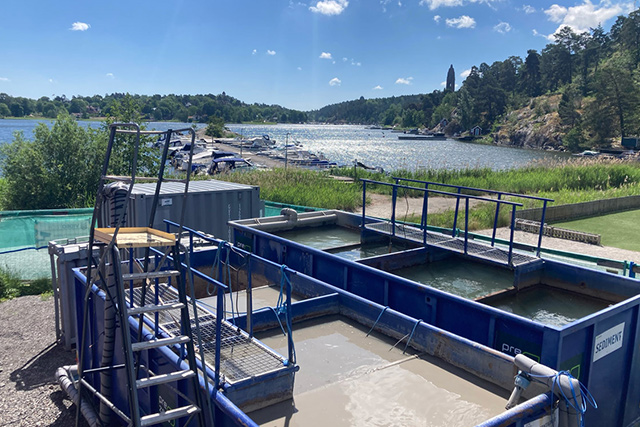
The new Näckenbadet
Open dialogue, creative solutions, and Nacka Municipality’s clear communication about the site’s history enabled an efficient full‑scale water treatment setup.
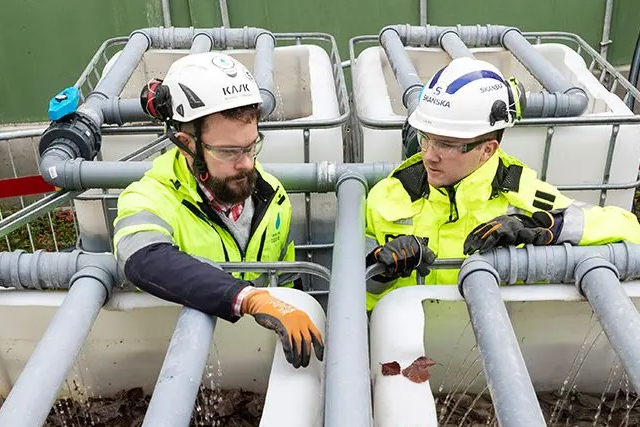
Malmö new hospital area
Groundwater at Malmö’s new hospital site contained chlorinated solvents, requiring a chemical‑free treatment solution during deep excavation.
Have more questions about pH adjustment?
Do you need support with pH adjustment or water treatment?
Get in touch, and one of our specialists will guide you further.