
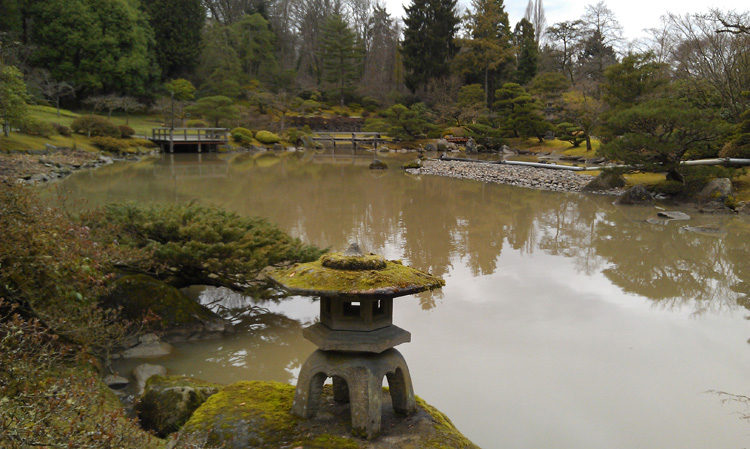
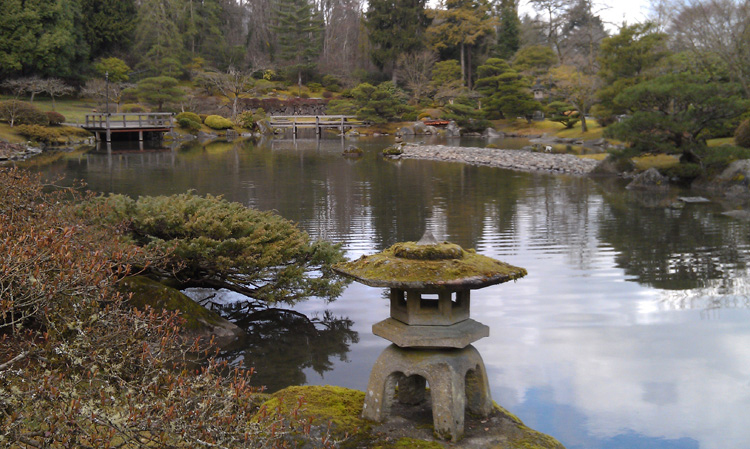
The Japanese garden in Seattle
When a major water pipeline burst above the Japanese Garden in Washington’s Arboretum, large amounts of soil, oil, chlorine, and other contaminants were flushed into the garden’s ponds with valuable Koi fish. The contaminants threatened both the fish and the rest of the ecosystem.
Within the critical 24-hour period, treatment with chitosan and sand filtration was initiated. After two days of treatment, around one million liters of water had been treated, and the high turbidity in the water was reduced from 155 NTU to under 5 NTU after treatment. The treatment project ensured a better water environment for the fish and the ecosystem in the ponds. The reduction of suspended organic material also resulted in decreased problems with oxygen depletion in the water, something that had been an issue before. The park was able to reopen to the public with noticeable improvements in water quality.
This was the inaugural project where Swedish Hydro Solutions’ Jakob Sjöberg and John Macpherson worked together with chitosan treatment technology. The project marked the beginning of a close cooperation between Jakob and John, who later worked together for many years in the USA. This cooperation has been a key part of the establishment of Swedish Hydro Solutions.
More projects
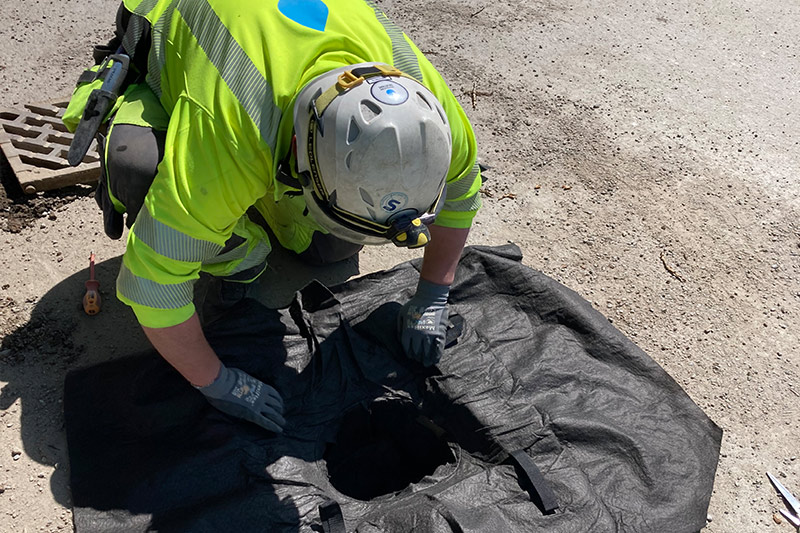
HexGuard catch basin filter
An energy company in western Sweden evaluated our HexGuard PRO catch basin filters to reduce oil runoff from parking and traffic areas.
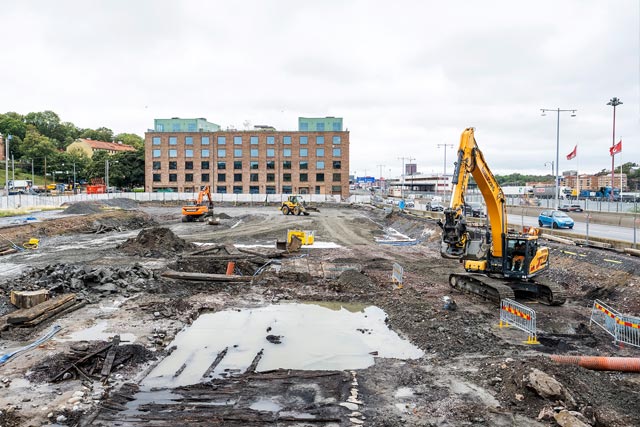
Masthuggskajen
A treatment unit was rapidly installed at the Masthuggskajen project, where chitosan flocculation treated water from a former fuel station and parking area.
PEAB Kållered
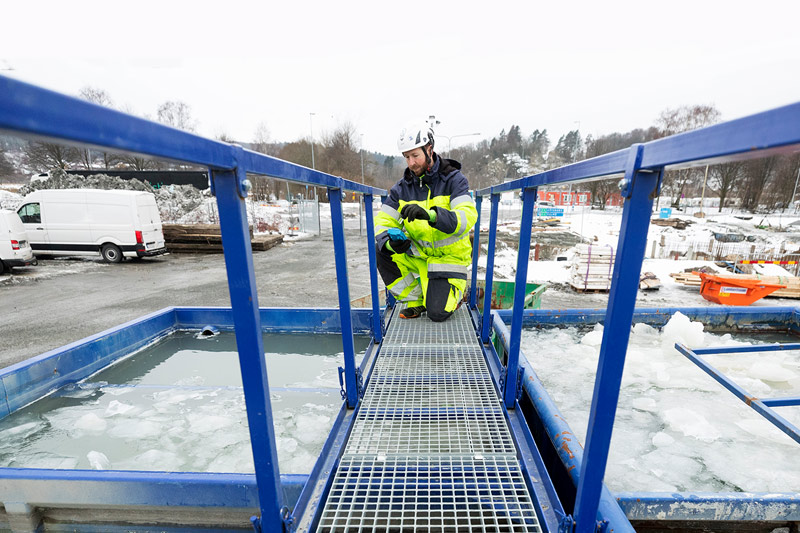
Drilling slurry and strict treatment requirements created challenges for Peab at a major retail project in Kållered, as traditional methods were not sufficient.
Need more information?
If you’re seeking more insights about our projects implementations or want tailored guidance for your unique requirements, get in touch with our water treatment specialists.