
Water treatment for the foundation for a new building in Forsåker
Swedish Hydro Solutions has established a water treatment system in Block 39, Forsåker, Sweden. The system treats dewatering water from excavation and concrete work as part of the foundation work for a new building..
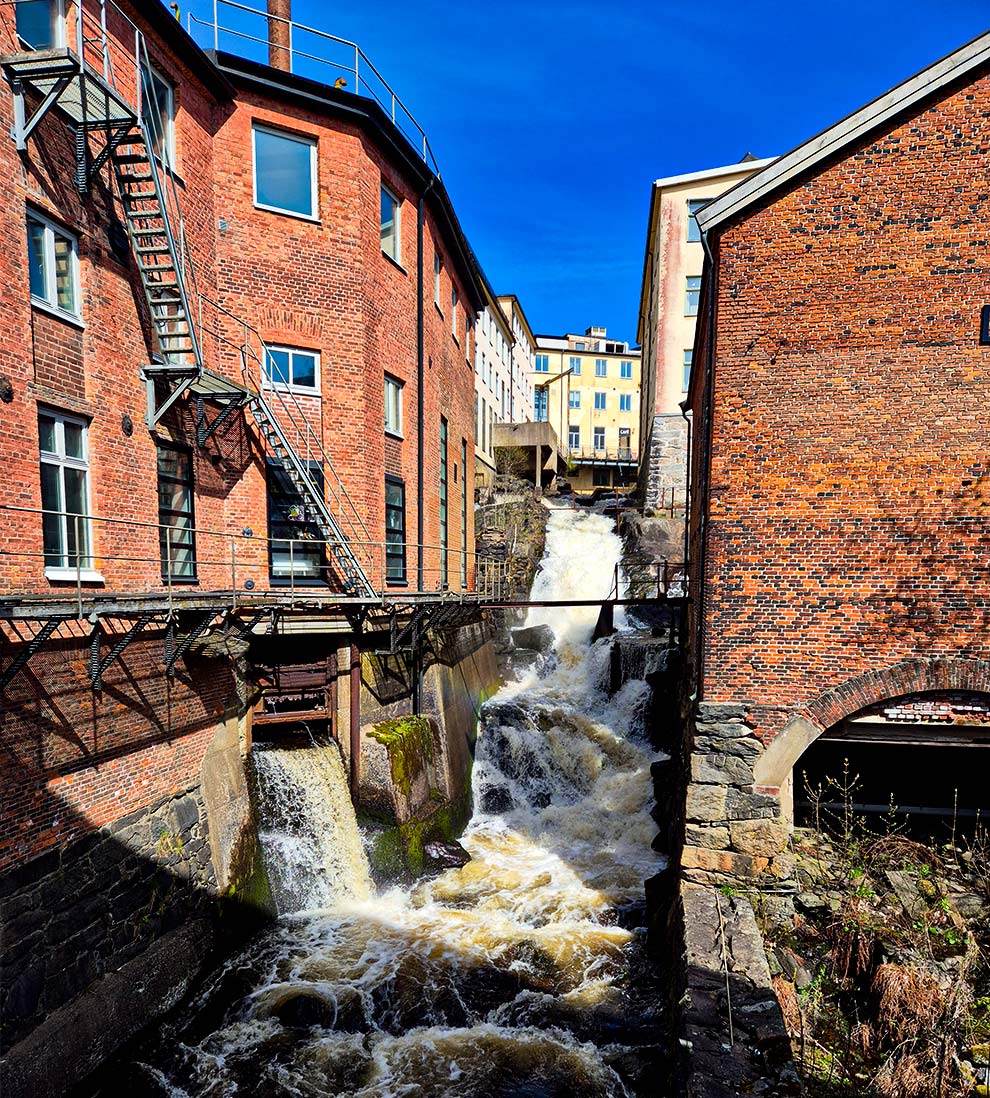
Forsåker is one of the largest urban development projects in Mölndal, located just outside Gothenburg. The site, with approximately 300 years of history as a paper mill, is now being transformed into a new district with around 3,000 homes and 4,000 workplaces.
Block 39 is one of the areas in Forsåker where foundation work is now being carried out for a new building. The work includes both excavation and concrete operations, which generate dewatering water with high levels of suspended solids and elevated pH. Water analyses also show PFAS concentrations around 400 ng/l, primarily within the PFAS11 group.
How the system works
The water treatment system is designed for a flow rate of approximately 5–10 m³/h and is built in several stages to meet the project’s requirements. The process begins with pH adjustment and flocculation, followed by sedimentation to manage the load of suspended solids and the impact on pH from concrete work. For the removal of regulated substances—including long-chain PFAS such as PFOS (part of the PFAS11 group), which have been detected in the dewatering water—pressurized filters with activated carbon are used. This is a proven and cost-effective technology for these types of contaminants.
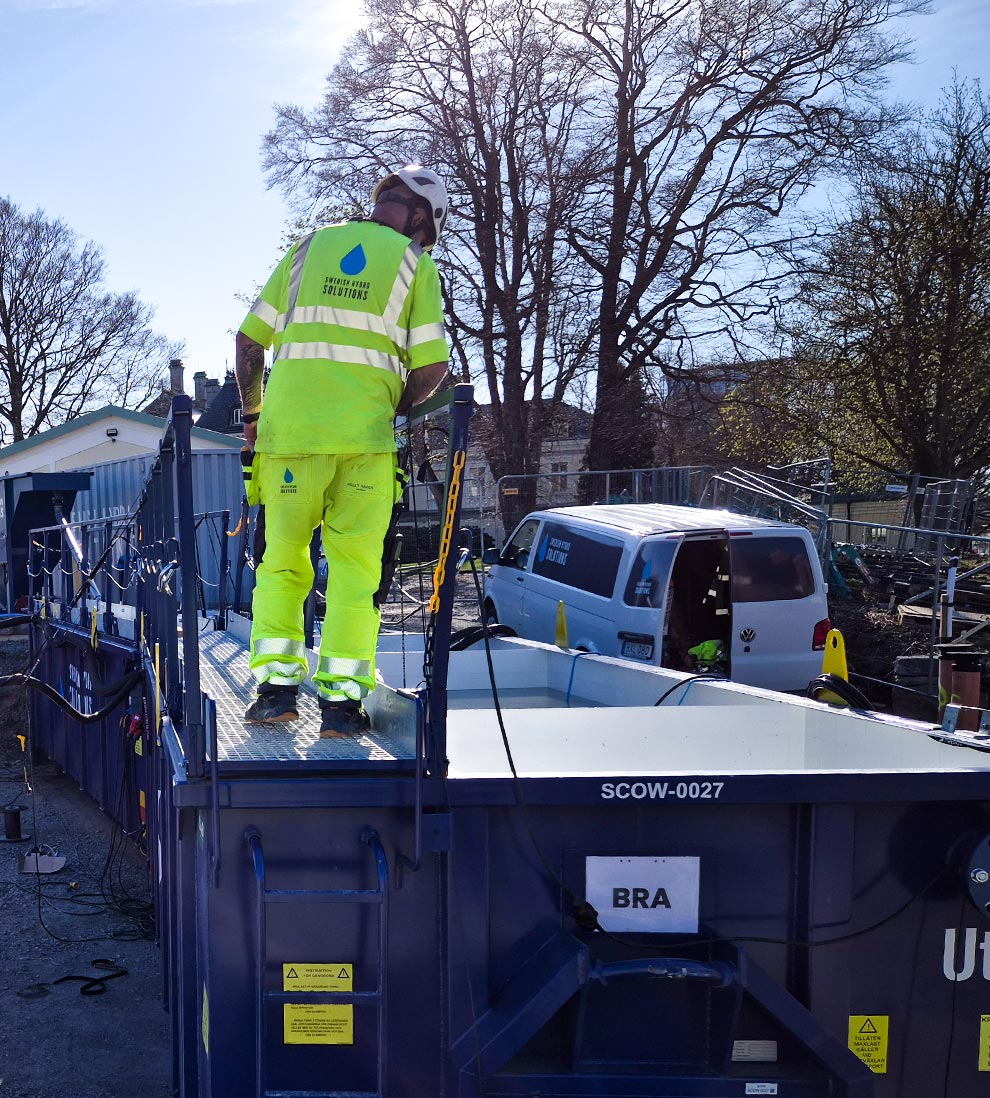
Flocculation takes place in our HydroBox, where we use the flocculant chitosan. Chitosan is a natural and biodegradable substance extracted from crab shells, a byproduct of the seafood industry. The process does not require the addition of fresh water to activate flocculation, which is important since no clean water is available on site. The use of chitosan also improves working conditions, as it is safer for personnel to handle than many synthetic alternatives.
Operation and monitoring
We take full responsibility for the project, including ongoing operation and sampling. We are on site twice a week, and this is combined with real-time monitoring of parameters such as pH, turbidity, conductivity, and flow at several points in the treatment process. This ensures safe, controlled, and traceable water treatment throughout the duration of the project.
The system was established at the end of April, and the project is expected to run for approximately one year.
More news
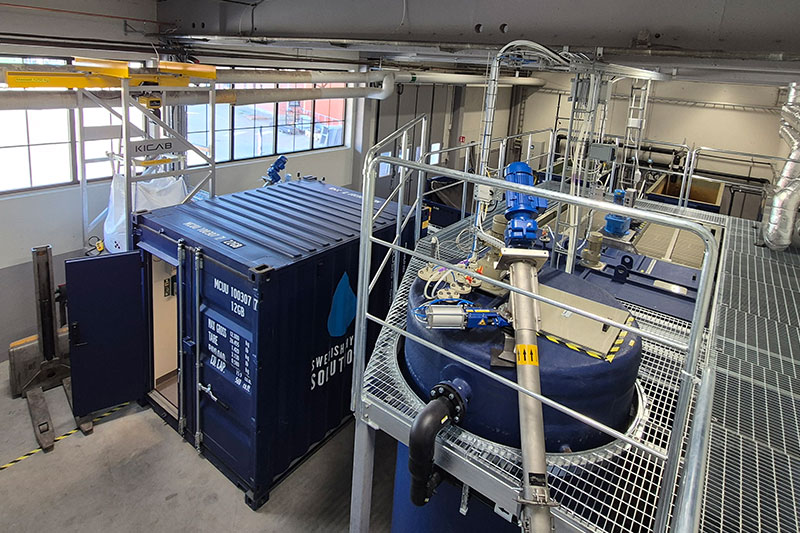
New water treatment plant commissioned at Häfla Bruk
Swedish Hydro Solutions has delivered a water treatment solution at Häfla Bruk’s industrial facility in the municipality of Finspång, Sweden.
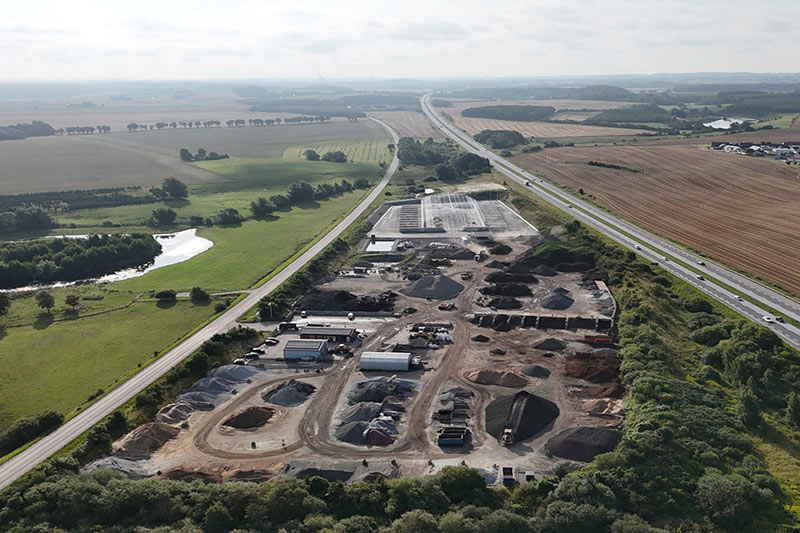
New assignment: Miljöfabriken
Swedish Hydro Solutions has been commissioned to deliver water treatment to Miljöfabriken, where stricter requirements are introduced during expansion.
Swedish Hydro Solutions partners with NorthTec in Italy
Swedish Hydro Solutions and NorthTec have entered into a partnership that enables NorthTec to utilize our technologies in the Italian market.